AS/NZS 3019 Periodic Assessments in Auckland
Periodic assessments aligned with AS/NZS 3019:2022 to support electrical safety, compliance documentation, and insurer requirements.
Periodic Assessments for Safety and Insurance
AS/NZS 3019 periodic assessments help confirm that electrical installations remain safe, compliant, and suitably maintained over time — supporting duty of care, risk reduction, and insurer documentation requirements. These assessments were previously known as “periodic verifications” under AS/NZS 3019:2007, and are still commonly referred to by that name.
A periodic assessment involves a structured inspection of an electrical installation to identify safety issues, deterioration, and non-compliances that may not be obvious during day-to-day operation. Findings are recorded clearly with practical recommendations and priority actions — so you can plan corrective work efficiently, support compliance records, and reduce the risk of unsafe conditions.
Assessments are planned around site access and safety requirements, and can often be coordinated to minimise disruption to operations.
What I Assess
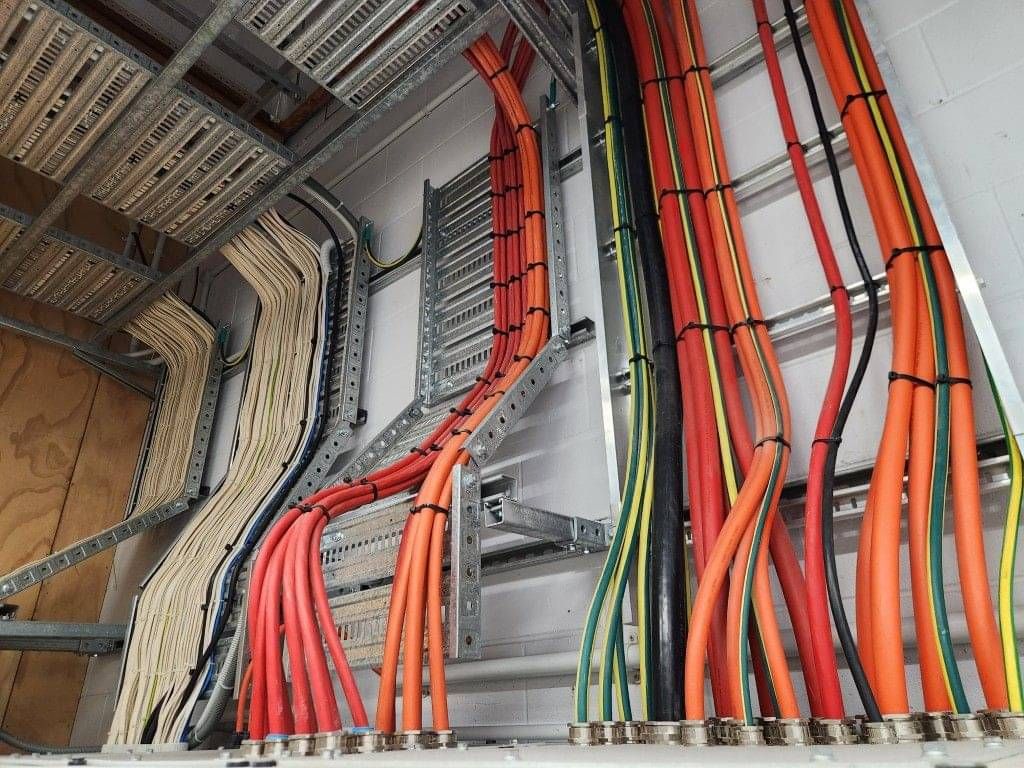
A periodic assessment is tailored to your site and typically includes a detailed visual examination and limited testing of:
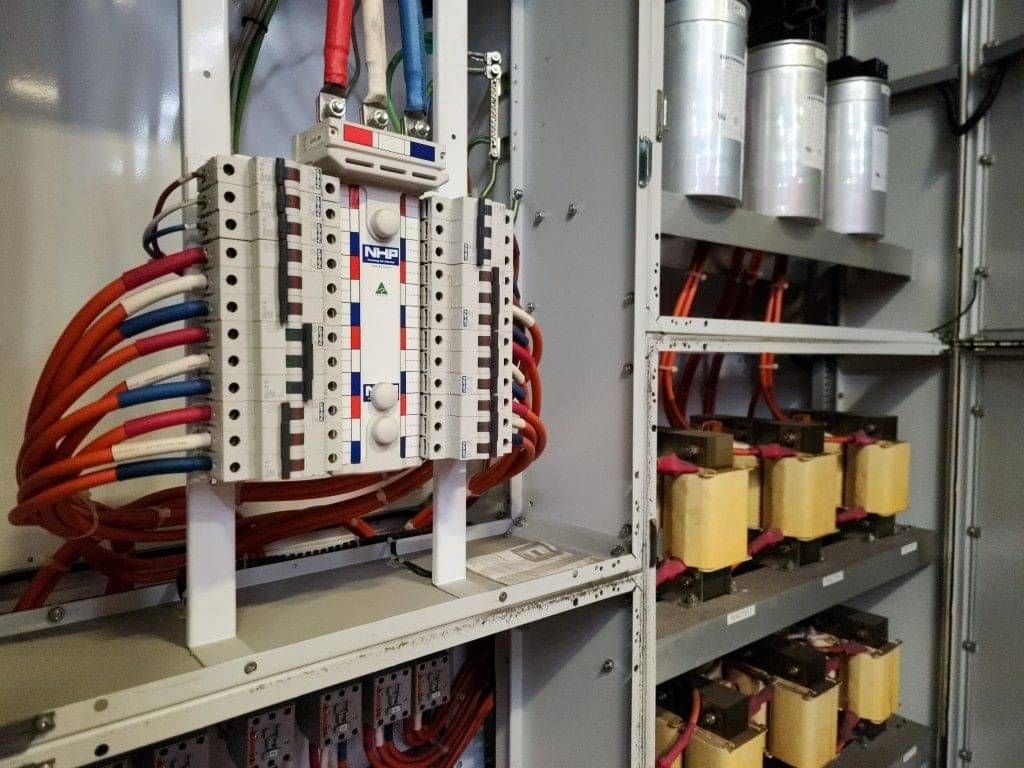
Main switchboards, distribution boards and metering
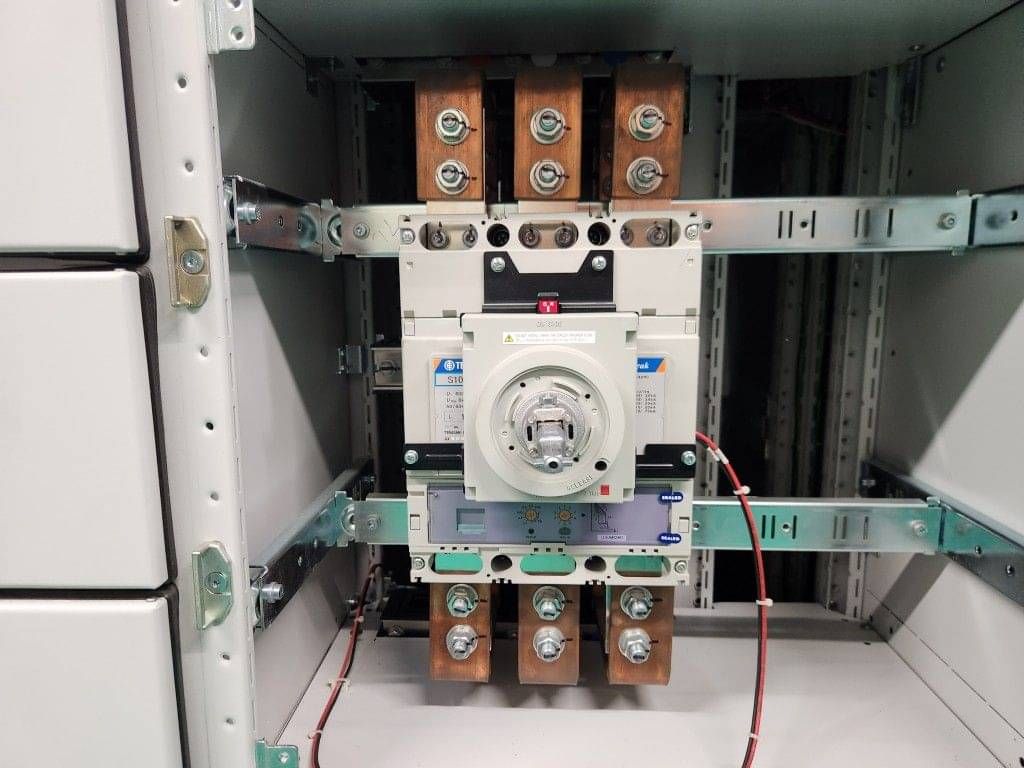
Switchgear, enclosures, covers, barriers and fire proofing
Cabling including mains, sub mains and individual circuits
Protective device ratings and RCD testing (as applicable)
Labelling, identification and circuit schedules
Aerial and underground supply systems
Appliances, lighting, switches and power outlets
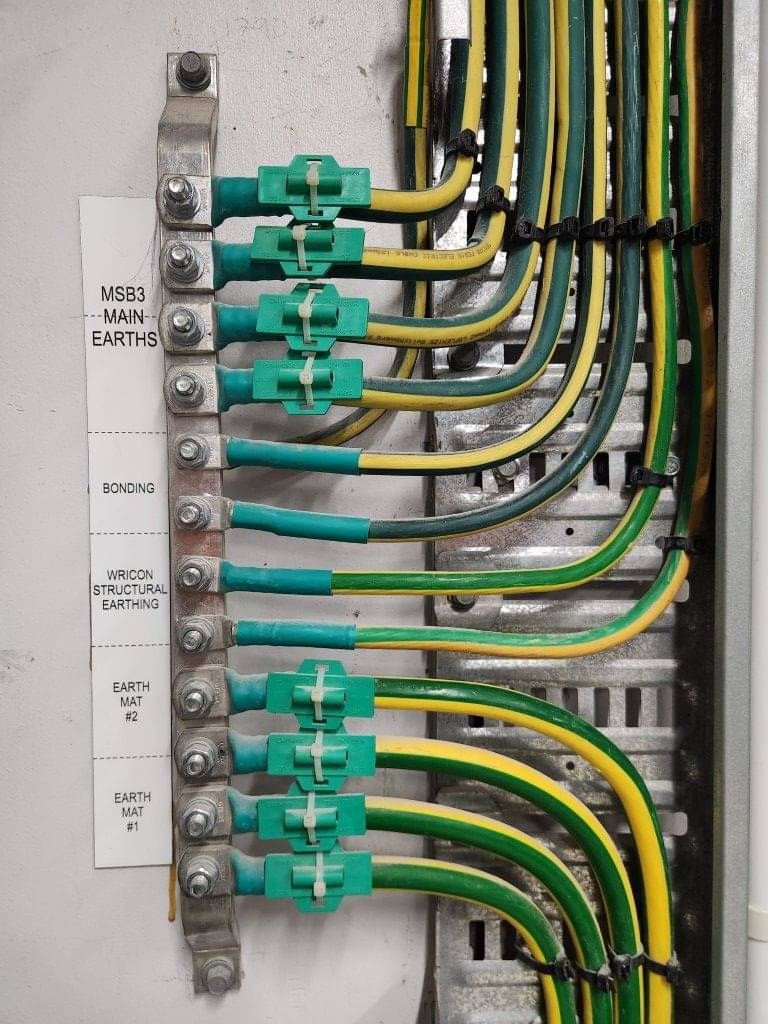
Earthing / bonding testing and leakage current testing
Polarity and correct connections testing
Earth fault loop impedance and insulation resistance testing
Typical Issues Identified
Periodic assessments commonly identify safety, maintenance and compliance issues such as:
Damaged or deteriorated switchboards and enclosures
Missing/incorrect covers or barriers to live parts
Inadequate labelling, identification, or circuit information
Earthing/bonding defects or inconsistencies (where evident)
Inappropriate or missing RCD protection (where applicable)
Missing fire proofing in switchboards
Signs of overheating, arcing, corrosion, or moisture ingress
Damage or deterioration to cabling and equipment
Non-compliances requiring corrective action
Unsafe installation practices or environmental conditions
What You Receive
You’ll receive clear documentation for compliance and decision-making:
Site and assessment details
Record of observations, findings, and any limitations
Priority rating for each issue (so you know what to address first)
Practical recommendations (clear repair guidance and next steps)
Photo evidence to support findings
Certificate / assessment record
Typical turnaround: within 2 business days (unless otherwise agreed).
Benefits
Insurance & compliance ready
Clear documentation aligned to AS/NZS 3019 requirements to support insurer expectations and your compliance records.
Identify safety risks early
Highlights deterioration, damage, and non-compliances that can increase the risk of faults, electric shock, or fire.
Prioritised corrective actions
Findings are prioritised with practical recommendations so you can plan repairs efficiently and minimise disruption.
How It Works
1. Scope & schedule
I'll confirm your site type, insurer/compliance requirements, and the agreed assessment scope. Where available, I review relevant site documentation to align the assessment with AS/NZS 3019 requirements.
2. On-site assessment
I'll carry out the periodic assessment of the nominated electrical installation, recording observations, condition, and any compliance or safety issues identified.
3. Report & certification
You receive a clear assessment report and certificate with priority ratings and practical recommendations, suitable for compliance and insurance records.
Who This Is For
Clients
Facilities and maintenance teams
Property managers and landlords
Insurers and risk managers
Building and home owners
Industrial site managers
Body corporates and associations
Government and Council
Commercial sites
Warehousing and logistics
Office blocks
Retail and hospitality
Residential & aged care facilities
Public facilities (libraries, pools etc)
Data centres
Hospitals and healthcare
Industrial sites
Production and manufacturing
Food processing and cold storage
Electricity generation & distribution
Rubbish and recycling
Water and waste water
Ports and marine
Oil and gas / fuel terminals
When Should You Book a Periodic Assessment in Accordance With AS/NZS 3019?
Consider booking when:
An insurer requires periodic assessment / documentation / certification
The installation is ageing or has changed (tenant fit-outs, additions/alterations, upgrades, new circuits/equipment)
You’ve had recurring issues (nuisance tripping, overheating signs, damage, water ingress, or unexplained faults)
You’re reviewing risk and safety as part of planned maintenance, due diligence, or change of ownership/management
It’s been several years since the last assessment and you want an evidence-backed baseline for ongoing maintenance planning
FAQs
What is an AS/NZS 3019 periodic assessment?
A periodic assessment is a structured review of an existing electrical installation to check condition and identify safety or compliance issues. It supports ongoing maintenance, due diligence, and insurer/compliance documentation.
Is this the same as a “periodic verification”?
Yes — this service was previously known as a periodic verification under AS/NZS 3019:2007. The current standard refers to periodic assessments under AS/NZS 3019:2022, but many clients and insurers still use the older term.
How often should a periodic assessment be done?
Frequency depends on site risk, environment, installation condition, and insurer requirements. Many sites follow an interval set by their insurer or maintenance/compliance programme.
What types of sites need periodic assessments?
Commonly required for commercial and industrial sites, especially where insurance policies, critical operations, or duty-of-care obligations require documented electrical condition reviews.
Will the assessment require shutdowns?
Not always. Most checks can be completed with minimal disruption, but shutdowns may be required for safe access or where certain items cannot be assessed while energised (site and scope dependent).
Does a periodic assessment include infrared thermography?
Periodic assessment can be combined with electrical thermal imaging where abnormal heating under load also needs to be assessed.
Can a periodic assessment guarantee the installation is fault-free?
No. It provides an evidence-based snapshot based on the agreed scope, access, and conditions at the time. Any limitations are documented, and further investigation/testing is recommended where appropriate.
How long does a periodic assessment take?
It depends on site size, complexity, access, and whether shutdowns are required. Smaller sites may be completed in a few hours; larger sites may require a full day or staged visits.
What do you need from us before the assessment?
A site contact, access/induction requirements, and any available documentation such as previous assessment records helps the assessment run smoothly and improves report clarity.
Need a Documented Electrical Condition Assessment?
Tell me your site type, inspection purpose, and preferred timeframe. I’ll confirm scope, pricing and availability.

Auckland Thermography Ltd
021 139 2360
22/18 Hewlett Rd, Massey, Auckland 0614


Hours & locations
Monday - Friday: 6am - 5pm
Auckland based - inspections can be carried out NZ wide and overseas by request