Mechanical
Thermal Imaging
Infrared thermography inspections of motors, bearings and mechanical equipment to reduce unplanned downtime and support condition-based maintenance
✓ ITC Certified Thermographer
✓ SiteWise Gold Accredited
✓ EWRB Registered Electrician
✓ Trusted by Insurers
Thermal Imaging for Rotating Equipment
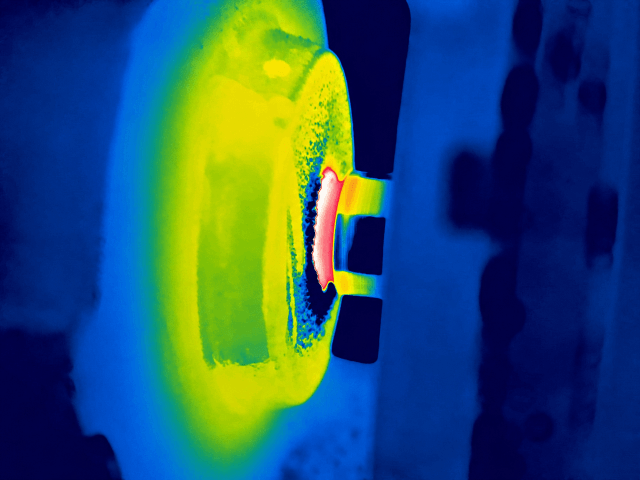
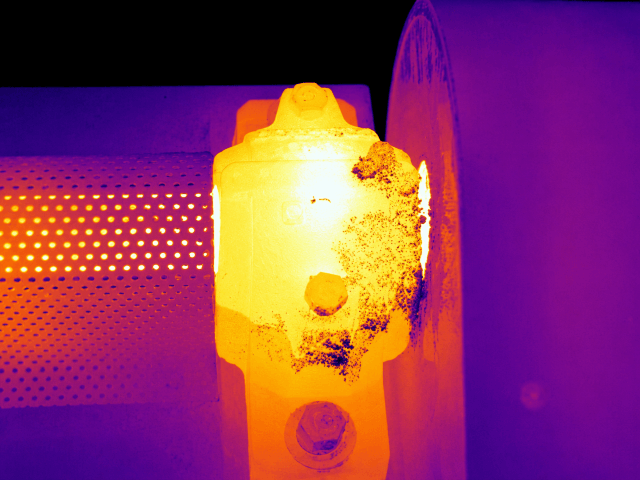
Mechanical wear can lead to overheating, equipment failure and costly downtime. Mechanical thermal imaging can reveal abnormal heating associated with excessive friction, inadequate lubrication, misalignment, overloading, worn bearings, slipping belts, and poor ventilation. These issues may not be apparent during routine visual checks.
A developing issue may appear as a localised hot bearing, an uneven gearbox temperature, or a component running warmer than comparable equipment. Comparing similar assets or trending the same asset over time can help show whether its condition is changing and where closer investigation may be required.
I assess surface-temperature patterns while equipment is operating under normal load. This provides a fast, non-contact way to inspect multiple assets with little or no disruption. Findings are documented with thermal and visual images, priority ratings and practical recommendations to help your maintenance team decide what needs attention next.
Benefits of Mechanical Thermal Imaging
Reduce Mechanical Failures & Downtime
Identify unusual heat before developing mechanical issues lead to equipment failure, production disruption or an unplanned maintenance shutdown
Support Condition-Based Maintenance
Use thermal inspection findings to plan maintenance, prioritise further investigation and track changes in asset condition over time
Identify Overheating Bearings & Components
Detect heat patterns linked to bearing wear, friction, poor lubrication, misalignment and excessive mechanical loading under normal operating conditions
When to Book Mechanical Thermal Imaging
Consider booking when:
You’re experiencing noise, vibration, overheating, or repeated bearing failures
You’ve had unexpected breakdowns, reduced output, or unplanned downtime
Assets have recently been installed, relocated or had major maintenance
You run critical plant with high duty cycles
You want an evidence-backed baseline for predictive maintenance and condition monitoring
Your site has harsh operating conditions that accelerate wear
For sites with both electrical and mechanical risks, this service can be scheduled alongside electrical thermal imaging as part of one inspection.
Mechanical Assets Inspected
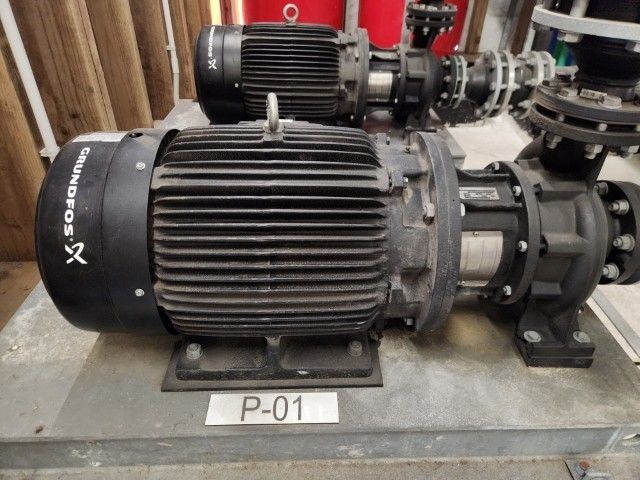
Motors, bearings, and drive systems
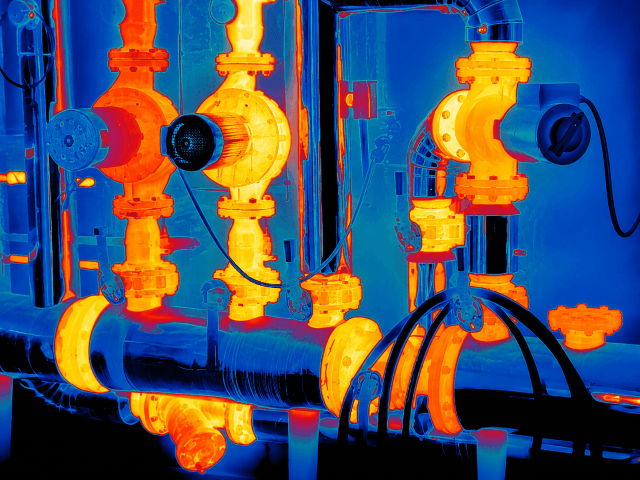
Pumps, valves, and associated equipment
Gearboxes, couplings, and transmissions
Conveyors, rollers, and belt systems
Fans, blowers, and HVAC equipment
Production and manufacturing machinery
Typical Issues Identified
Bearing overheating and lubrication issues
Excessive friction and drag
Misalignment indicators (couplings / drive systems)
Motor casing and drive system heat patterns
Hot spots on pumps, gearboxes and rotating equipment
Abnormal heating due to blocked airflow or loading issues
How It Works
① Scope & schedule
Tell me the site address, the purpose of the inspection and approximately how many assets need checking. Let me know about any concerns, such as bearing noise, overheating, vibration etc. I’ll confirm scope, pricing, and availability.
② Inspect & capture evidence
I'll inspect the nominated mechanical equipment while it is running under normal load where practicable. I'll capture thermal and visual images and assess any unusual heat patterns.
③ Report & prioritise
You’ll receive a clear report with thermal and visual images, asset details, priority ratings, and practical recommendations to help prioritise maintenance, reduce unplanned downtime, and support ongoing equipment reliability.
What You Receive
You’ll receive a mechanical thermographic report showing what equipment was assessed, what was found and what needs attention, including:
Site details, inspection scope and equipment operating conditions
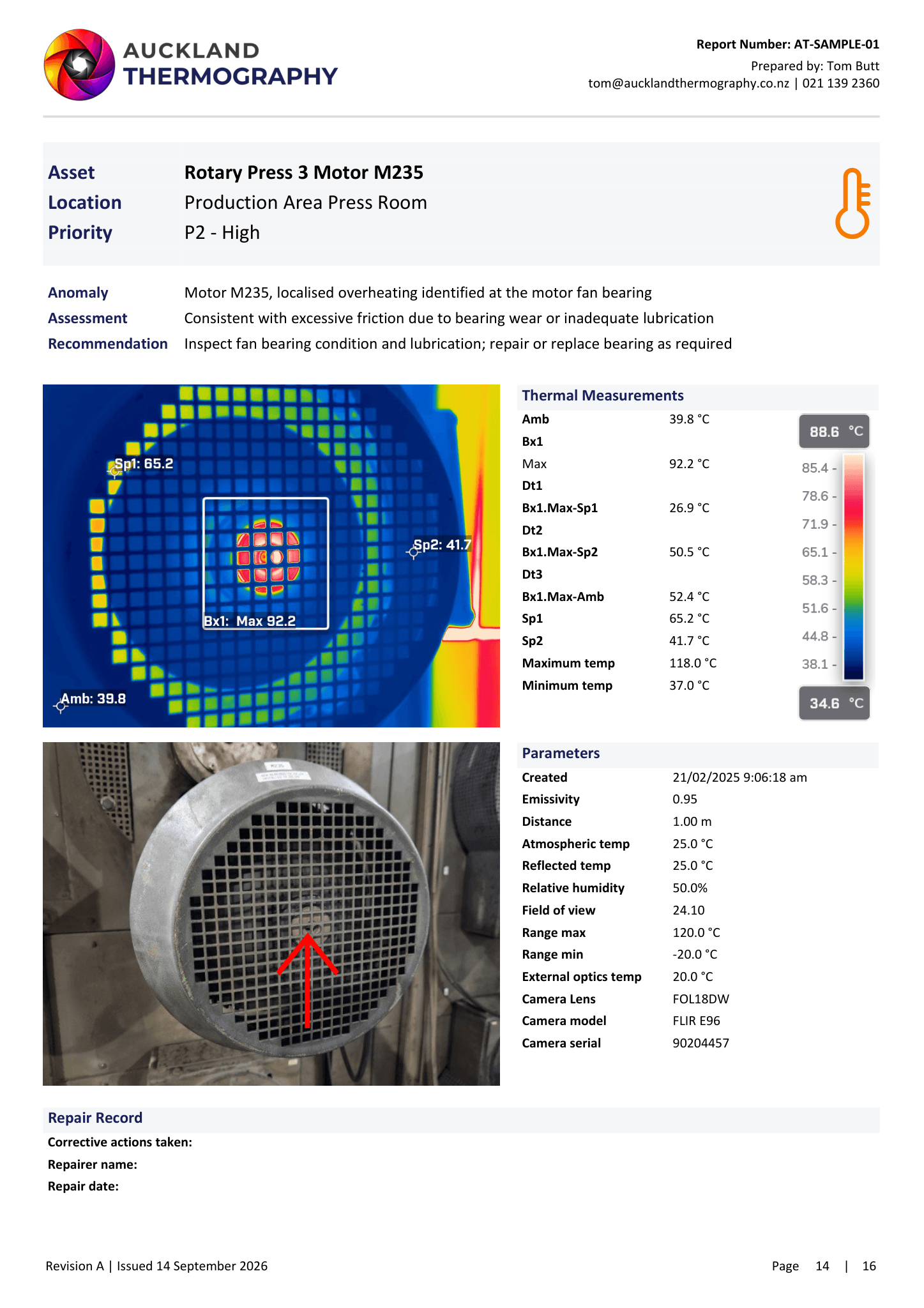
Thermal and visual images with analysis for each finding
Colour-coded priority ratings so you can see what matters first
Practical recommendations and suggested maintenance steps
Repair record sections for documenting corrective work
An asset identification list suitable for maintenance planning
Each identified anomaly is documented on its own report page, so your maintenance team can locate the equipment, understand the temperature pattern and plan further investigation or corrective work.
If no abnormal heating is identified, the report still provides a formal record of the equipment inspected and can be retained as a reference for future condition-monitoring inspections. Reports are generally supplied within two business days.
FAQs
How much does a mechanical thermal imaging inspection cost?
Pricing depends on the number of assets being inspected, site complexity, reporting requirements, and travel. Many smaller sites can be inspected from $325 + GST, while larger facilities and ongoing maintenance programmes typically require a tailored quotation. Pricing can also be tailored for multi-site portfolios and ongoing inspection programmes. Contact Auckland Thermography for an upfront, no-obligation quote.
How long does mechanical thermography take?
Time depends on the number of assets, access and site conditions. Small sites can often be completed in as little as 1-2 hours, while larger or complex sites may require a full day or staged visits.
How often should an inspection be done?
Many sites schedule mechanical thermal imaging annually or alongside predictive maintenance programmes, depending on asset criticality, operating hours, environment, and breakdown risk. High-duty or critical plant may benefit from more frequent checks.
Do machines need to be running during the inspection?
Yes - thermal imaging is most useful when equipment is operating under normal load. Low load can reduce how meaningful the results are.
Will the inspection require equipment shutdowns?
Not usually. Most inspections are completed with equipment operating normally, however shutdowns may be required if safe access can’t be achieved or guards need to be removed (site dependent).
Can thermal imaging detect bearing failures?
Sometimes. A bearing problem may produce noticeable heat, often after the fault has developed. Thermal imaging works best alongside other checks, such as vibration analysis and lubrication inspection.
Do you provide a report suitable for insurers?
Yes – reports include thermal and visual images, findings, and priority ratings to support maintenance planning and insurer documentation.
What happens after you find a hotspot?
Findings are prioritised and reported with practical recommendations. Repairs are typically completed by your preferred maintenance technician, and a follow-up scan can confirm resolution if required.
What areas can’t be inspected?
Assets may be excluded where access is restricted, surfaces are not visible, safety requirements can’t be met, or mechanical load is too low to provide meaningful results.
Can you include an asset register in the report?
Yes - reports include an asset list with locations, IDs and status/priority ratings to support maintenance planning.
Need a Mechanical Thermal Imaging Inspection?
Tell me your site address, equipment details, and preferred timeframe. I’ll confirm scope, pricing, and availability.
Auckland Thermography Ltd
021 139 2360
22/18 Hewlett Rd, Massey, Auckland 0614


Hours & locations
Monday - Friday: 6am - 5pm
Auckland based - inspections can be carried out NZ wide and overseas by request