Mechanical Thermal Imaging in Auckland
Infrared thermography inspections for motors, bearings and mechanical equipment - reduce unplanned downtime and prioritise maintenance.
Thermal Imaging for Mechanical Systems
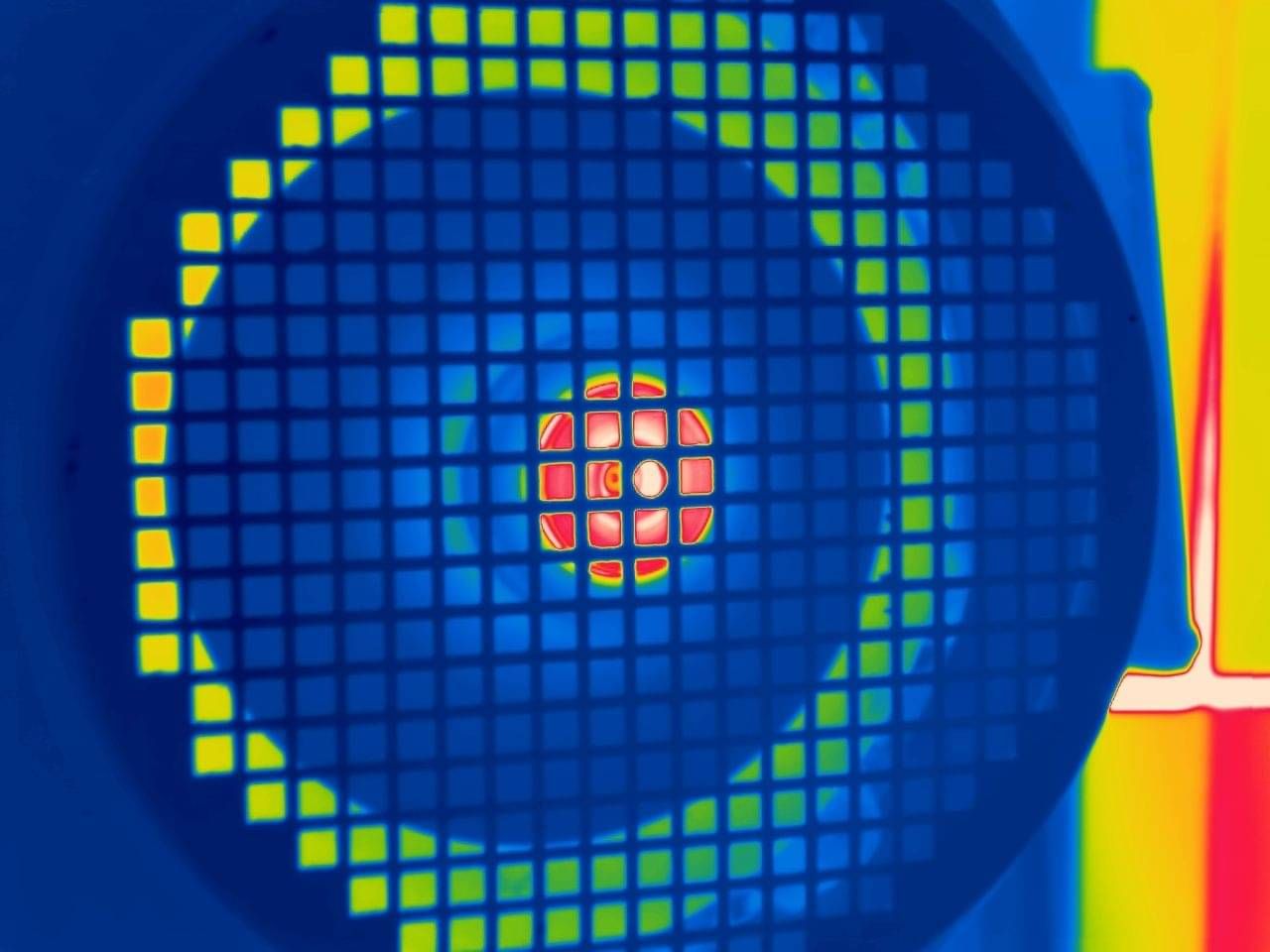
Mechanical wear and developing faults contribute to unexpected breakdowns, overheating, and costly downtime across commercial and industrial sites. Mechanical thermal imaging inspections can highlight abnormal heat build-up caused by friction, lubrication issues, misalignment, or overloading - issues that often aren’t obvious during routine visual checks.
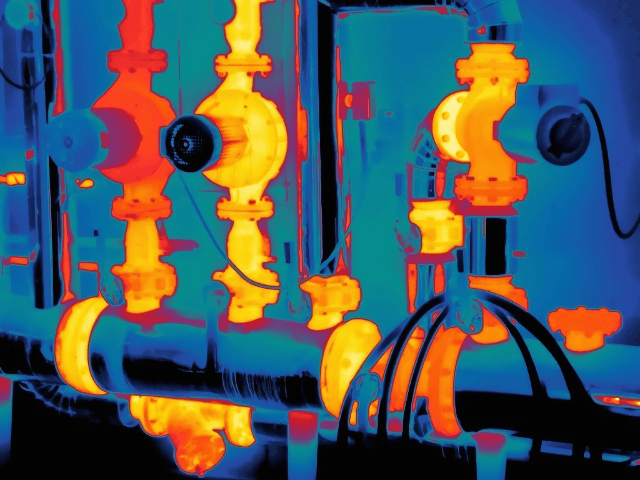
Thermal imaging works by measuring surface temperatures while equipment is operating, allowing quick scanning of motors, bearings, gearboxes, pumps, conveyor rollers, and other rotating or load-bearing components for abnormal heat patterns. Findings are documented with thermal and visual images, priority ratings, and practical recommendations - so your maintenance team can target the high-risk assets first, plan repairs efficiently, and reduce unplanned outages.
This service is well suited to manufacturing sites, food processing plants, warehouses, plant rooms, HVAC systems and other facilities with rotating or load-bearing mechanical equipment. Thermal imaging can help identify developing issues before they lead to breakdowns, product loss or avoidable downtime.
Inspections are non-invasive and can often be completed with no disruption.
What Mechanical Items are Checked?
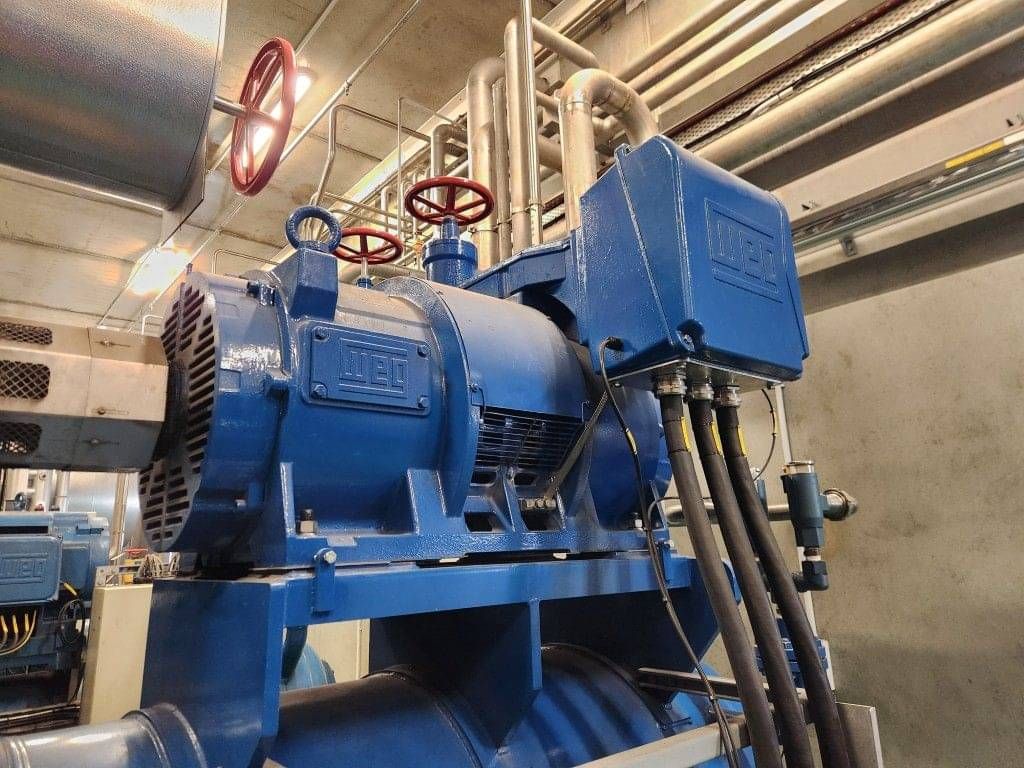
Motors and motor bearings
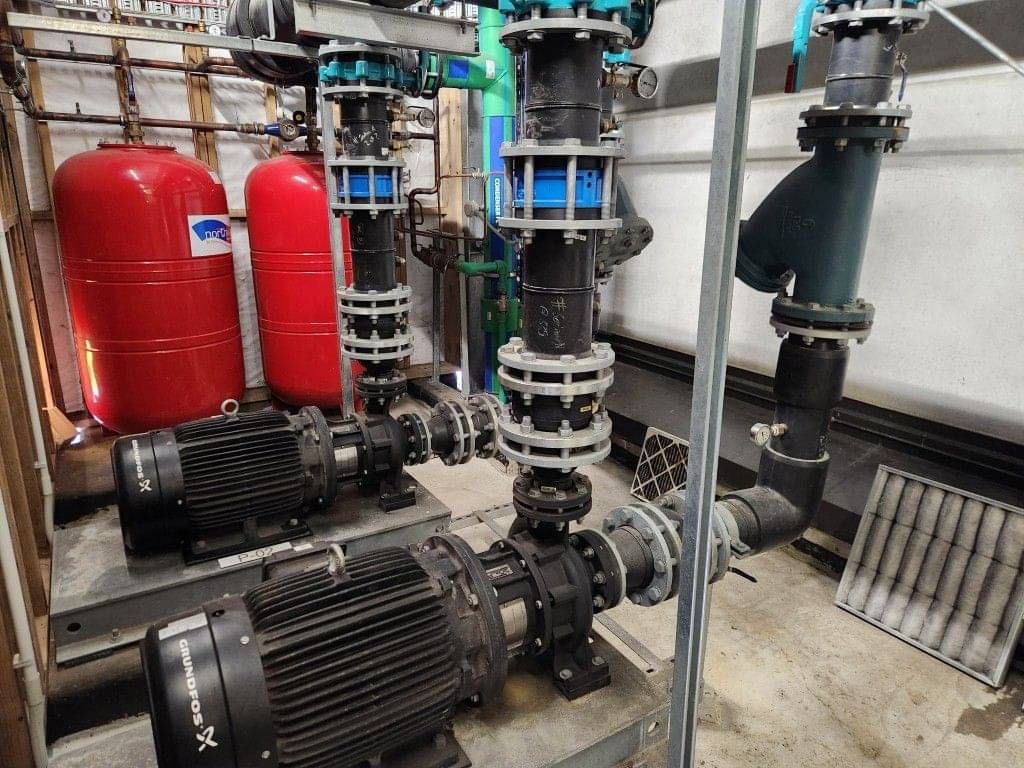
Pumps and pump bearings
Gearboxes and couplings
Conveyors, rollers, belts and drive systems
Fans and HVAC mechanical components
Production and manufacturing machinery
Typical Issues Identified
Bearing overheating / lubrication issues
Excessive friction and drag
Misalignment indicators (couplings / drive systems)
Motor casing and drive system heat patterns
Hot spots on pumps, gearboxes and rotating equipment
Abnormal heating due to blocked airflow or loading issues
What You Receive
You’ll receive a clear report designed for decision-making:
Site details and inspection scope summary
Thermal and visual images with analysis for each finding
Priority ratings (so you know what matters first)
Practical recommendations (clear repair guidance and next steps)
Asset list format suitable for maintenance planning
Typical turnaround: within 2 business days (unless otherwise agreed).
Benefits
Reduce unplanned downtime
Identify developing issues early and plan corrective work before failures occur.
Protect critical assets
Improve reliability for equipment that matters to operations.
Reduce overheating & fire risk
Spot abnormal thermal patterns that may indicate developing mechanical issues.
Improve maintenance planning
Prioritise work based on severity and practical risk.
Support insurance compliance
Evidence to support insurer requirements, audits and documentation.
Improve safety
Reduce exposure to abnormal conditions and potential equipment defects.
How It Works
1. Scope & schedule
Tell me your site type, inspection purpose, assets to be inspected and preferred timeframe. I’ll confirm scope, pricing and availability.
2. On-site inspection & capture evidence
I'll conduct an inspection of nominated assets, capturing thermal and visual images under normal operating conditions where practicable.
3. Report & prioritise
You receive a clear report with site and asset details, priority ratings and practical recommendations to support decision-making and maintenance planning.
Who This Is For
Clients
Facilities and maintenance teams
Property managers and landlords
Insurers and risk managers
Building and home owners
Industrial site managers
Body corporates and associations
Government and Council
Commercial sites
Warehousing and logistics
Office blocks
Retail and hospitality
Residential & aged care facilities
Public facilities (libraries, pools etc)
Data centres
Hospitals and healthcare
Industrial sites
Production and manufacturing
Food processing and cold storage
Electricity generation & distribution
Rubbish and recycling
Water and waste water
Ports and marine
Oil and gas / fuel terminals
When Should You Book a Mechanical Thermal Imaging Inspection?
Consider booking when:
You’re experiencing noise, vibration, overheating, or repeated bearing failures
You’ve had unexpected breakdowns, reduced output, or unplanned downtime
Assets have recently been installed, relocated or had major maintenance
You run critical plant with high duty cycles
You want an evidence-backed baseline for trending and condition monitoring
Your site has harsh operating conditions that accelerate wear
For sites with both electrical and mechanical risks, this service can be scheduled alongside electrical thermal imaging as part of one inspection.
FAQs
How long does a mechanical thermal imaging inspection take?
Time depends on the number of assets, access and site conditions. Small sites can often be completed in as little as 1 - 2 hours, while larger or complex sites may require a full day or staged visits.
How often should an inspection be done?
Many sites schedule mechanical thermal imaging annually or alongside planned maintenance, depending on asset criticality, operating hours, environment, and breakdown risk. High-duty or critical plant may benefit from more frequent checks.
Do machines need to be running during the inspection?
Yes — thermal imaging is most useful when equipment is operating under normal load. Low load can reduce how meaningful the results are.
Will the inspection require equipment shutdowns?
Not usually. Most inspections are completed with equipment operating normally, however shutdowns may be required if safe access can’t be achieved or guards need to be removed (site dependent).
Can thermal imaging detect bearing failures?
It can indicate bearing-related problems when they produce heat (often a later-stage symptom). It’s best used alongside other maintenance tools (e.g., vibration analysis, ultrasound, lubrication checks) for a complete condition picture.
Do you provide a report suitable for insurers?
Yes — reports include evidence images, findings and priority ratings to support maintenance planning and compliance documentation.
What happens after you find a hotspot?
Findings are prioritised and reported with practical recommendations. Repairs are typically completed by your preferred maintenance technician, and a follow-up scan can confirm resolution if required.
What areas can’t be inspected?
Assets may be excluded where access is restricted, surfaces are not visible, safety requirements can’t be met, or mechanical load is too low to provide meaningful results.
Can you include an asset register in the report?
Yes — reports include an asset list with locations, IDs and status/priority ratings to support maintenance planning.
Need Mechanical Plant or Rotating Equipment Checked?
Tell me your site type, inspection purpose, and preferred timeframe. I’ll confirm scope, pricing and availability.

Auckland Thermography Ltd
021 139 2360
22/18 Hewlett Rd, Massey, Auckland 0614

Hours & locations
Monday - Friday: 6am - 5pm
Auckland based - inspections can be carried out NZ wide and overseas by request