Moisture & Leak Thermal Imaging in Auckland
Building thermal imaging to help locate moisture ingress and leak patterns - supporting targeted investigation and repair planning.
Thermal Imaging For Moisture/Leak Detection
Moisture ingress and hidden leaks can cause costly damage over time - from mould and deterioration to damaged linings and framing. Thermal imaging can help identify moisture-affected areas, leak patterns and insulation defects in buildings. It is a non-invasive way to support targeted investigation before opening up walls, ceilings or other building elements unnecessarily.
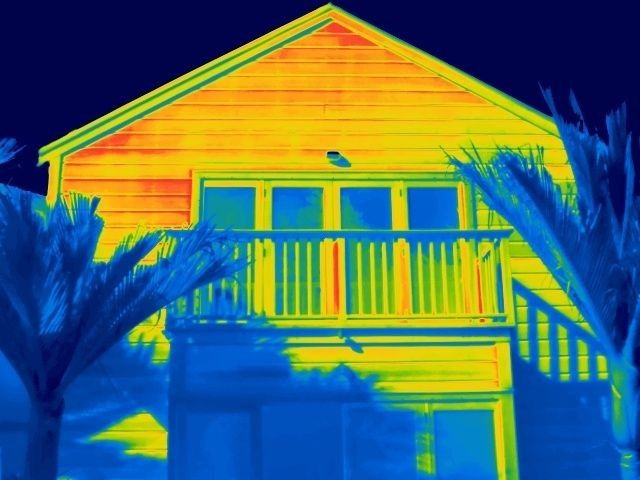
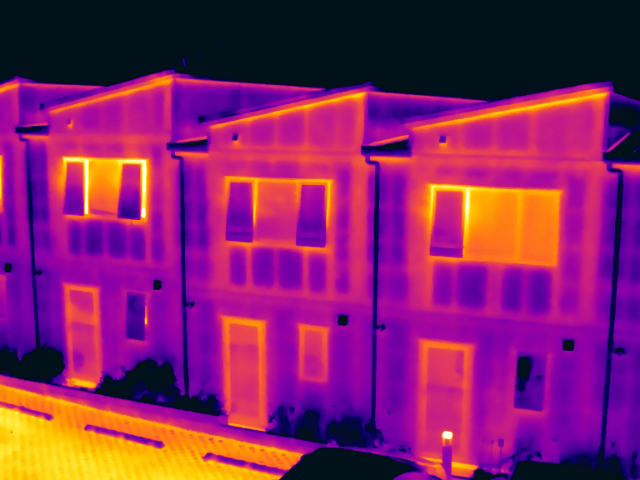
Thermal imaging works by measuring surface temperature patterns across walls, ceilings, floors, and cladding. Under suitable conditions, it allows quick scanning to highlight anomalies consistent with moisture presence, active leaks, missing insulation, or thermal bridging. Findings are documented with thermal and visual images, clear notes, and practical next steps - helping you narrow down likely sources, minimise unnecessary invasive testing, and plan targeted remedial work.
Inspections are non-invasive and can often be completed with minimal disruption.
What Building Assets are Inspected?
Roof spaces, ceilings and ceiling penetrations
Exterior walls and cladding junctions
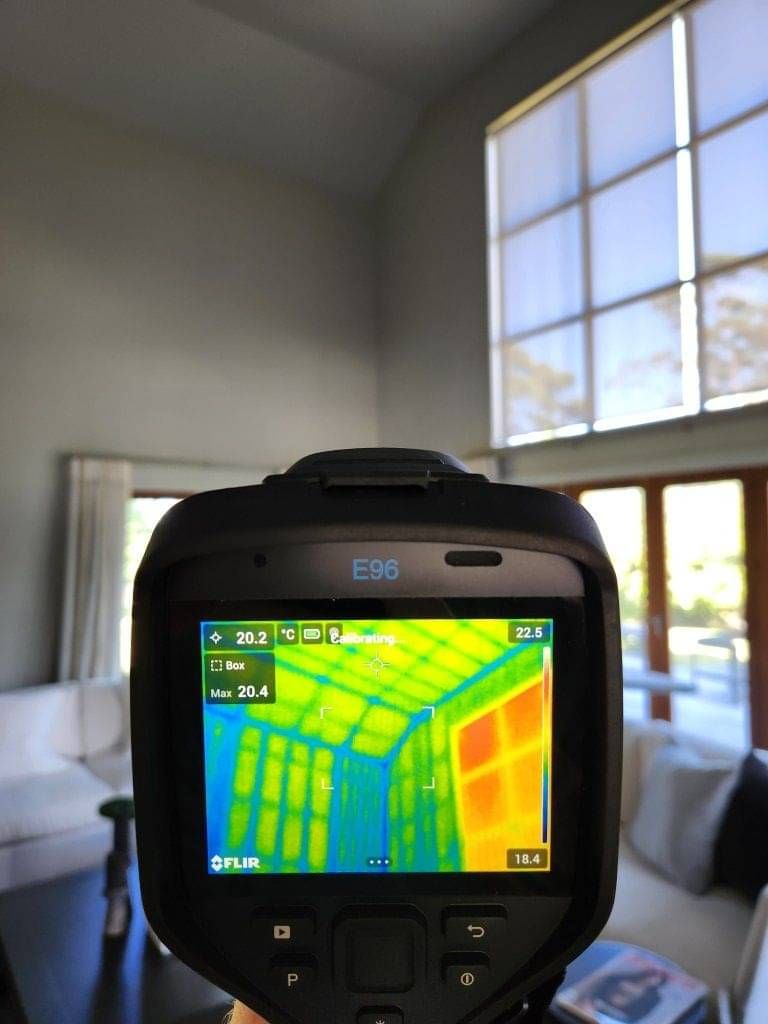
Interior walls, corners and window/door reveals
Wet areas (bathrooms, kitchens, laundries)
Plumbing routes and likely leak pathways (where known)
Balconies, decks, and exterior junctions
Floor areas and skirtings where symptoms are present
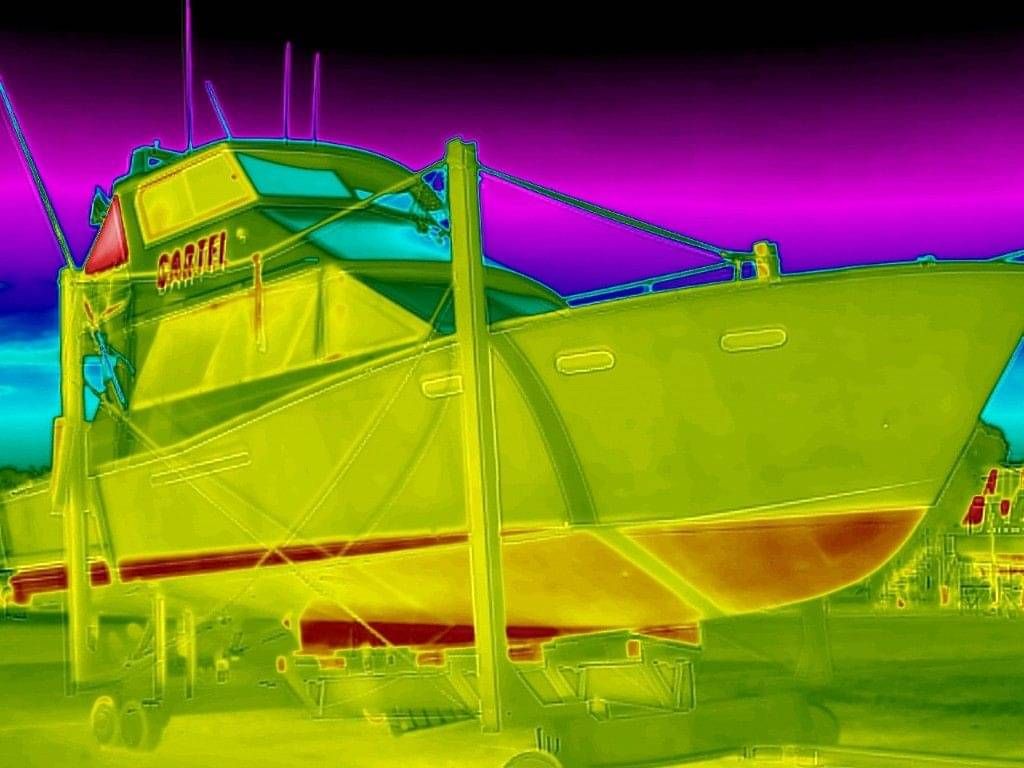
Marine vessels including fibreglass and wooden hulls
Typical Issues Identified
Anomalies consistent with moisture-affected materials
Likely leak pathway from roof, window or plumbing sources
Wet area leaks and concealed moisture
Localised cooling from evaporation (conditions dependent)
Insulation defects or missing insulation
Thermal bridging that can contribute to condensation risk
Draft/air leakage indicators around openings
Anomalies consistent with underfloor heating leaks
What You Receive
You’ll receive a clear report designed for decision-making:
Site details and inspection scope summary
Thermal and visual images with analysis for each finding
Practical recommendations (repair guidance and next steps)
Thermal imaging is a diagnostic aid. Results depend on conditions (temperature difference, materials, airflow, access and moisture state).
Typical turnaround: within 2 business days (unless otherwise agreed).
Benefits
Reduce invasive investigation
Focus follow-up testing where it matters, helping minimise cutting into linings and reducing disruption to occupants.
Locate moisture faster
Identify temperature patterns consistent with moisture ingress and narrow down likely affected areas without guesswork.
Support targeted repairs
Document findings with thermal and visual images plus practical next steps, so repairs can be planned and prioritised efficiently.
How It Works
1. Scope & site context
Tell me what you’re seeing (staining, odour, mould, bubbling paint, leaking, cold spots), the building type, and any known history (recent rain, plumbing work, roof issues). I’ll confirm scope, pricing, and the best time to conduct the inspection.
2. Scan & identify suspect areas
I’ll carry out a non-invasive thermal imaging inspection of the nominated areas to identify temperature patterns consistent with moisture ingress, active leaks, insulation defects, or thermal bridging (conditions dependent).
3. Report & next steps
You’ll receive thermal and visual images with clear notes and practical next steps to narrow down likely sources and guide targeted investigation and repairs—helping minimise disruption and unnecessary invasive testing.
Who This Is For
Clients
Homeowners with suspected roof or wall leaks
Commercial property managers investigating water ingress
Landlords and body corporates assessing moisture issues
Buyers or owners wanting further building diagnostic evidence
Clients wanting a non-invasive first step before targeted opening-up works
When Should You Book a Moisture / Leak Detection Thermal Imaging Inspection?
Consider booking when:
You’ve noticed staining, bubbling paint, musty odours, mould, or damp areas
You suspect a roof leak, flashing issue, or water ingress after heavy rain
You have wet area symptoms or potential plumbing leaks
You’re seeing damage spreading (lifting flooring, swollen skirtings, deteriorating linings) and want to narrow down the likely source
You want to reduce invasive investigation and focus follow-up testing
You’re planning repairs or remediation and want evidence for targeted repairs
For commercial sites with both building and electrical risk concerns, moisture investigations can also sit alongside electrical thermal imaging or periodic assessments where appropriate.
FAQs
Can thermal imaging confirm the exact source of a leak?
Sometimes, but not always. Thermal imaging shows surface temperature patterns that can indicate moisture-affected areas and likely leak pathways; confirming the exact source may require targeted verification (e.g., moisture meter checks or a plumber/roofer inspection).
What conditions make thermal imaging most effective for moisture detection?
Thermal imaging works best when there is a temperature difference between inside and outside, and when surfaces aren’t being heavily influenced by direct sun, strong wind, or heaters. I’ll advise the best time to inspect based on your situation.
Can thermal imaging see through walls?
No. It measures surface temperatures only, but moisture behind linings can often create visible patterns on the surface, depending on materials and conditions.
Do you need rain to find a roof leak?
Not necessarily. Recent rain can help make leak patterns more visible, but many issues can still be identified under suitable conditions—especially where moisture remains in linings or insulation.
How long does a moisture/leak thermal imaging inspection take?
It depends on the size of the building and the number of suspect areas. Many residential-style inspections take 1–2 hours, while larger or more complex sites may take longer.
What do I need to provide before the inspection?
A brief description of the issue, any known history (recent rain, plumbing work, prior repairs), and access to relevant rooms/roof spaces (where safe and available) helps ensure the inspection is efficient and accurate.
Will the inspection require invasive access or damage to walls?
No — thermal imaging is non-invasive. If further confirmation is needed, I’ll recommend targeted follow-up checks to minimise unnecessary cutting or disruption.
Are there limitations I should be aware of?
Yes. Results depend on factors like access, materials, insulation, airflow, recent weather, and temperature differences.
Need Help Investigating a Suspected Leak or Damp Area?
Tell me your inspection purpose, and preferred timeframe. I’ll confirm scope, pricing and availability.

Auckland Thermography Ltd
021 139 2360
22/18 Hewlett Rd, Massey, Auckland 0614


Hours & locations
Monday - Friday: 6am - 5pm
Auckland based - inspections can be carried out NZ wide and overseas by request